
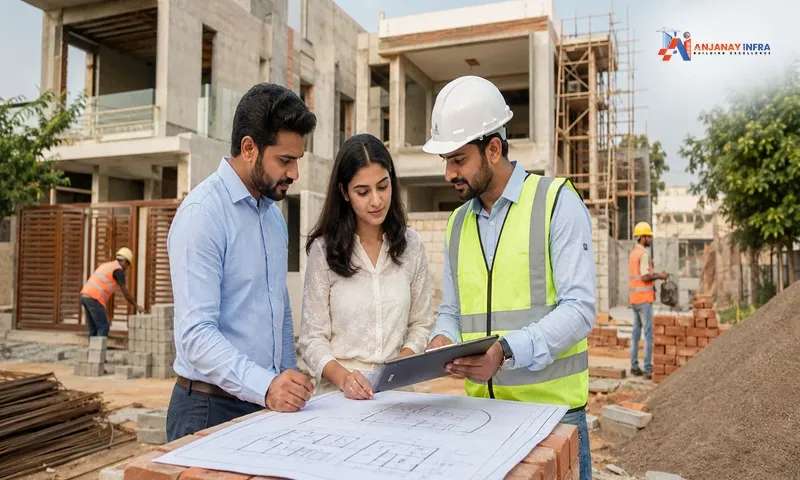
How to Choose the Right Construction Contractor in Chandigarh, Mohali & Panchkula?
Building or renovating a home is a major financial and practical commitment. From planning the layout and selecting materials to coordinating labour and completing the finishing work, every stage requires careful decisions. One of the most important decisions is choosing the contractor who will manage and execute the work.
A suitable contractor can improve coordination, workmanship, communication, and scheduling throughout the project. On the other hand, poor planning or unclear responsibilities can contribute to delays, unexpected costs, quality concerns, and unnecessary stress. Homeowners across Chandigarh, Mohali, and Panchkula should therefore compare contractors carefully instead of making a decision based only on the initial quotation.
1. Check Experience and Contractor Credentials
Before discussing pricing, find out who you will be working with and what type of projects they have handled. Look at their experience with residential construction, the number and scale of projects completed, the structure of their team, and the type of work they usually undertake.
Contractor credentials can provide useful information about professionalism and business practices, but they should not be the only basis for your decision. Practical experience with projects similar to yours is equally important.
Ask for:
- Examples of recently completed homes
- Client references
- Information about the contractor’s team and subcontractors
- Registration and other relevant documents
- Photographs of completed projects
- Experience with projects of a similar scope and budget
Where possible, speak with previous clients. Their experience can give you a better understanding of how the contractor handled communication, timelines, workmanship, and unexpected issues.
2. Understand the Design and Planning Support
Construction does not start with bricks, cement, and labour. It starts with planning.
If you already have architectural drawings, confirm whether the contractor can execute the work according to the approved plans. If you need assistance with layouts, materials, space planning, or construction-related decisions, ask what support the contractor provides.
Good Design and planning support can help identify potential issues before construction begins. Room dimensions, storage, electrical points, plumbing routes, ventilation, natural light, and structural requirements should be considered early rather than changed after work has started.
early rather than changed after work has started.
For homeowners in Chandigarh, Mohali, Panchkula, and surrounding areas, it can also be useful to work with professionals who understand local site conditions and applicable planning or approval requirements.
3. Ask Detailed Questions About Quality of Materials
The materials used in construction affect durability, maintenance, appearance, and long-term performance. Instead of accepting general statements such as “we use high-quality materials,” ask for specific information.
Discuss the brands, grades, specifications, and quantities of important materials, including:
- Cement and steel
- Bricks or blocks
- Plumbing pipes and fittings
- Electrical wiring and accessories
- Tiles and flooring
- Paints and waterproofing products
- Doors and windows
The most expensive material is not necessarily the most appropriate choice. The goal should be to select materials that suit the application, expected performance, and available budget.
It is also helpful to include important material specifications in the written agreement. This provides a clear reference if questions arise during construction.
4. Evaluate Project Supervision
A construction site involves several activities at the same time. Masonry, electrical work, plumbing, flooring, carpentry, and finishing may involve different workers or subcontractors.
Ask who will supervise the site on a regular basis. Project supervision can help coordinate different trades, monitor workmanship, and identify issues while they are still easier to address.
Before hiring a contractor, clarify:
- Who will be your main point of contact?
- How frequently will the site be inspected?
- Who checks measurements and workmanship?
- How are subcontractors coordinated?
- How are changes or problems communicated?
- Who is responsible for resolving site-level issues?
A clearly defined supervision process can make it easier for homeowners to understand who is responsible for different aspects of the project.
5. Discuss Timeline and Communication Before Starting
Construction schedules can be affected by weather, material availability, design changes, labour availability, and unforeseen site conditions. That does not mean the project should begin without a realistic schedule.
Discuss timeline and communication before signing the contract. Ask for an estimated completion period and, where possible, a stage-wise schedule covering major activities.
Regular communication can keep homeowners informed about:
- Work completed during the week
- Upcoming construction activities
- Material requirements
- Changes in estimated costs
- Delays or site-related problems
- Decisions required from the homeowner
It is also worth agreeing on how communication will take place. Depending on the project, this might involve WhatsApp updates, phone calls, emails, site meetings, or a combination of these methods.
6. Compare Quotes Carefully
Price is an important consideration, but the lowest quotation is not automatically the most economical choice.
Two contractors can quote different amounts because their scopes of work, material specifications, labour arrangements, and exclusions are different. Before comparing the final figures, make sure you are comparing similar scopes.
| Area | What to Check |
|---|---|
| Labour | What work is included in the labour cost? |
| Materials | Are brands, grades, specifications, and quantities mentioned? |
| Civil work | Does the quotation cover the complete required scope? |
| Electrical & plumbing | Are installation and fittings included? |
| Finishing | Are painting, flooring, and other finishes included? |
| Additional work | How will changes or extra work be priced? |
| Payment schedule | When are payments due and against which stages? |
Getting detailed written quotations from two or three suitable contractors can make it easier to identify differences and ask informed questions.
7. Read the Contract Before You Sign
A written agreement gives both the homeowner and contractor a clear reference for the project. It should explain the scope of work, estimated timeline, payment stages, material specifications, responsibilities, and procedures for making changes.
Pay particular attention to clauses covering:
- Additional or changed work
- Delays and extensions
- Material substitutions
- Defects and rectification
- Work completion and handover
- Final payments
Do not rely solely on verbal promises. If an important point has been discussed during meetings or negotiations, ask for it to be included in the written agreement.
8. Look Beyond the Initial Meeting
A contractor may make a positive first impression, but construction is a long-term working relationship. Pay attention to how they handle your questions before you commit.
Consider whether they:
- Give clear and specific answers
- Explain technical matters in understandable language
- Listen to your budget and priorities
- Share requested documents on time
- Respond within a reasonable period
- Clearly explain what is included in their quotation
These early interactions can provide useful insight into how communication may work once construction begins.
A Practical Checklist Before Hiring
Before making your final decision, review the following points:
- Does the contractor have relevant residential construction experience?
- Have I checked references from previous projects?
- Have I seen examples of comparable work?
- Is the scope of work clearly documented?
- Are important materials and specifications mentioned in writing?
- Is the proposed timeline realistic?
- Who will supervise the project?
- Is the payment schedule clearly defined?
- Do I understand how additional work will be charged?
- Are responsibilities for materials, labour, approvals, and supervision clear?
- Are communication methods and update schedules agreed upon?
- Are the documentation, communication, past work, and payment terms satisfactory?
If these areas are clear before work begins, you are in a much better position to compare contractors and make an informed decision.
Frequently Asked Questions
How do I choose a reliable construction contractor?
Start by reviewing their residential experience, previous projects, references, credentials, quotation, material specifications, supervision process, and communication practices. A clear written agreement should also be in place before construction begins.
Should I always choose the contractor offering the lowest quotation?
No. A lower quotation may have a narrower scope, different material specifications, or exclusions that are not immediately obvious. Compare quotations based on what is actually included rather than the final amount alone.
What should be included in a construction contract?
A construction contract should generally cover the scope of work, material specifications, estimated timeline, payment stages, responsibilities, procedures for additional work, and other relevant project conditions.
Why is site supervision important?
Regular site supervision can help coordinate different workers and construction stages while allowing workmanship or planning issues to be identified earlier. It also gives homeowners a clearer point of contact for project-related concerns.
When should I contact a contractor?
It is generally useful to speak with potential contractors during the planning stage. This gives you time to understand the project’s requirements, discuss the scope, compare estimates, and clarify practical considerations before work begins.
 Get an expert-reviewed estimate tailored to your project, location, and budget. Share your details for an accurate construction or renovation cost.